Mastering the Rule of Thirds (and Beyond): The Geometry of Visual Impact
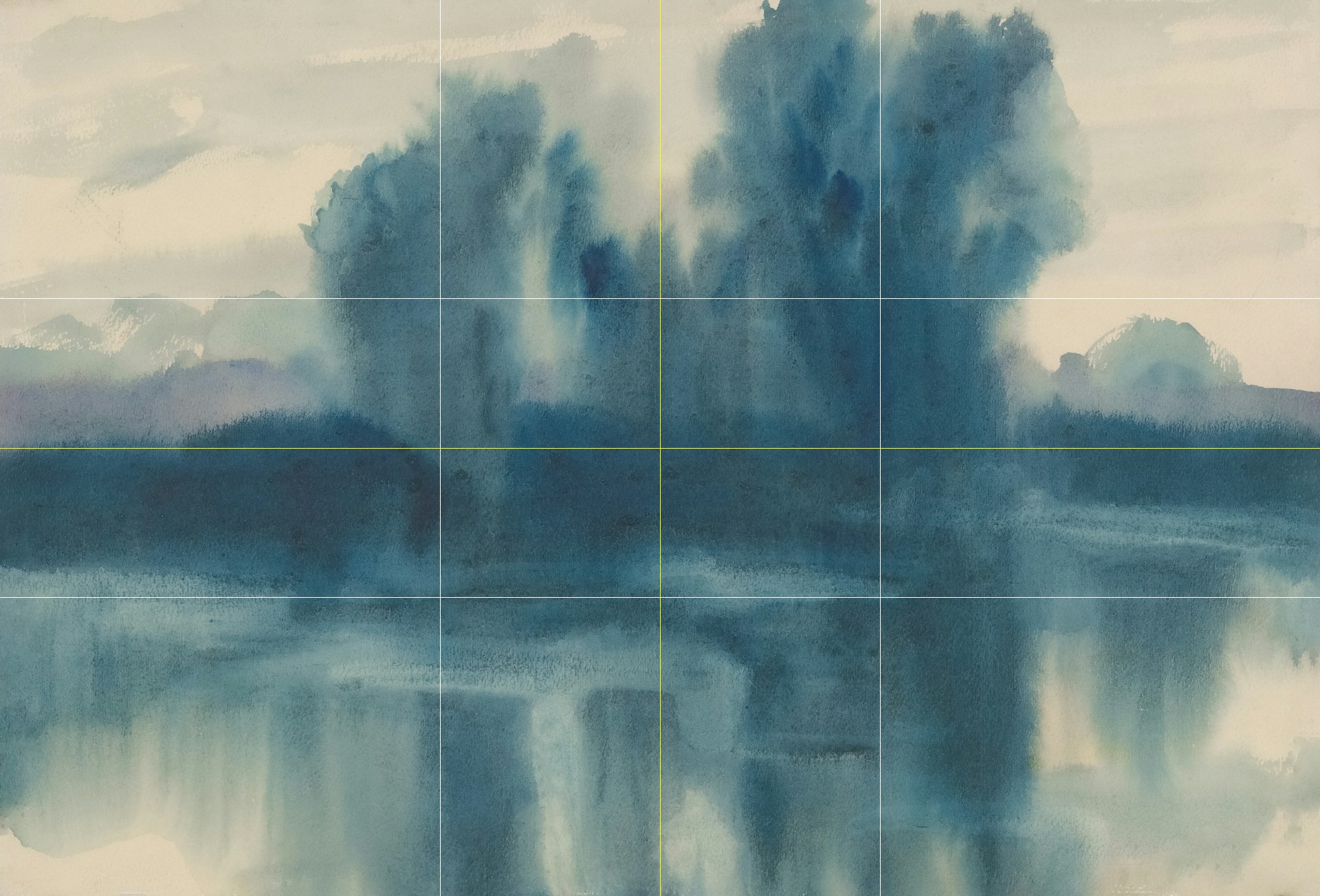
While the Rule of Thirds is the most common entry point for artists, truly professional compositions rely on deeper mathematical structures. The Rule of Thirds (dividing your canvas into a 3x3 grid and placing subjects at the intersections) is an excellent tool for breaking static symmetry, but it can sometimes feel predictable or "formulaic". To elevate a painting, you must understand that these grid lines are merely suggestions for where visual tension can be created. By placing your focal point slightly off-center, you invite the viewer’s eye to travel across the negative space, creating a more dynamic and engaging experience than a centered, "bullseye" composition ever could.
To push beyond the basics, many contemporary painters are returning to Dynamic Symmetry and the Golden Ratio. Unlike the simple Rule of Thirds, these systems use diagonal lines and reciprocal rectangles to create a sense of rhythm and movement that feels more organic to the human eye. These grids help you align not just the main subject, but also the secondary elements and "leading lines" that knit the entire image together. When you compose with these advanced geometries, you aren't just placing an object; you are designing a flow of energy that directs the viewer exactly where you want them to look, in the specific order you intend.
By aligning the subject with the vertical third, we create an asymmetrical balance that feels more dynamic than a centered 'bullseye' shot. Title: Blue Mood over a Lake. Creator: Palugyay, Zolo Date: 1922
However, the challenge with advanced grids is the "guessing game" of placement. Is your horizon line truly hitting the harmonic mean? Is your subject’s eye perfectly aligned with a baroque diagonal? This is where the integration of technology becomes a silent partner in the creative process. In my own studio workflow, I’ve found that using atelier-tools.com removes the guesswork. By uploading a digital sketch or a photo of my canvas, I can generate a composition analysis report that overlays these complex grids directly onto my work. It allows me to see instantly if my "gut feeling" matches the mathematical reality of a balanced composition.
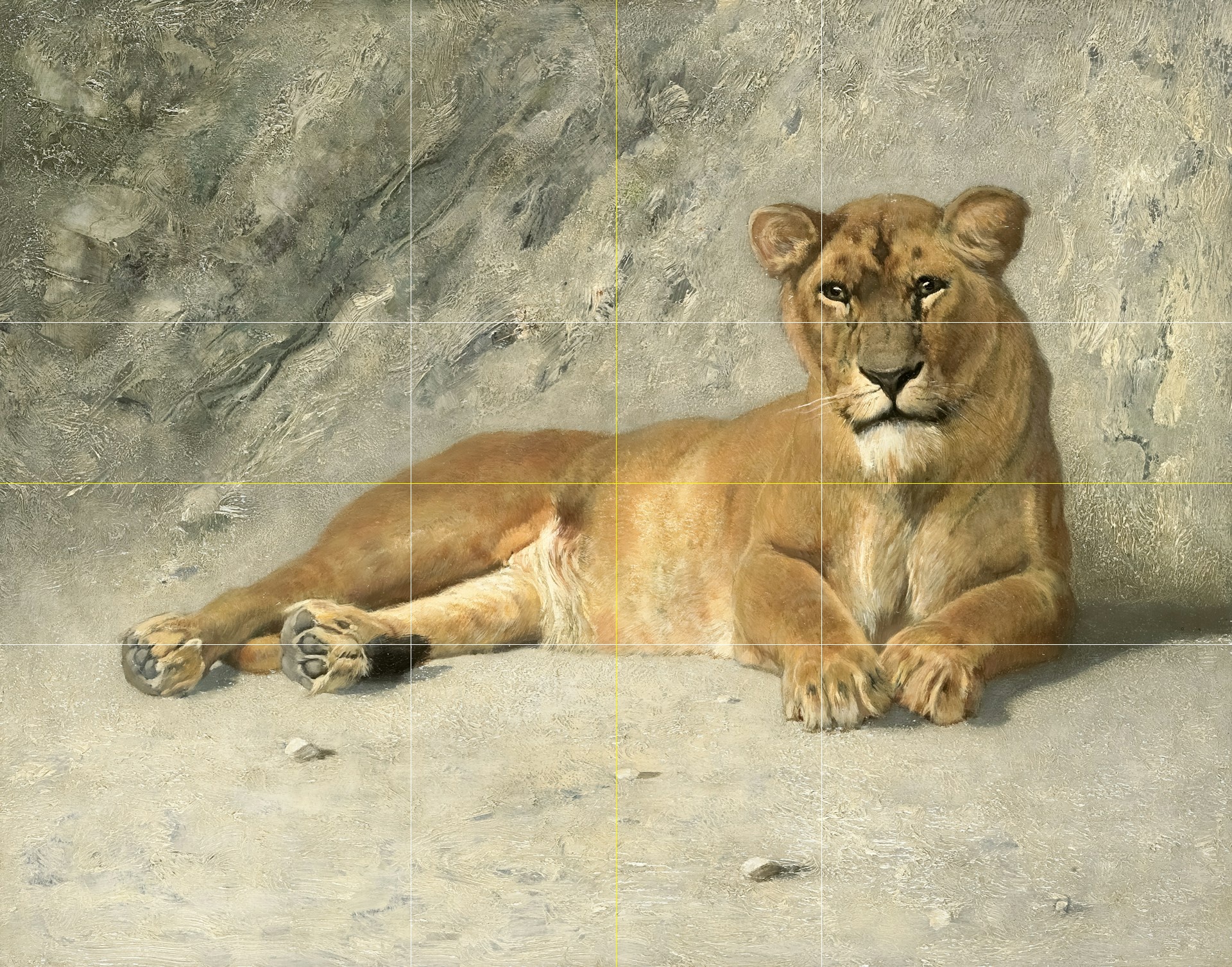
A quick scan on atelier-tools.com confirms the Rule of Thirds is doing the heavy lifting here, proving that the subject’s placement isn't just lucky: it’s mathematically sound. Title: Lioness Resting. Publisher: Rijksmuseum Date: 1885
Ultimately, the goal of mastering these rules is to eventually know when to break them. A composition that adheres perfectly to a grid can sometimes feel stiff; the "magic" often happens in the slight deviations. Using a report from atelier-tools.com isn't about forcing your art into a rigid box: it’s about providing a clear baseline. Once you see exactly where your focal points sit in relation to the Rule of Thirds or Dynamic Symmetry, you can make an informed decision to shift an element for better visual weight or emotional impact. It turns composition from a game of chance into a deliberate act of design.